


.png)
.png)


The Digital Bridge to Mathematical Proficiency: An Evidence-Based Case for Online Tutoring

Hey there, educators, parents, and policy wonks! In a world where math scores are stuck in the mud and kids are facing bigger hurdles than ever, it's time to talk about a game-changer: online math tutoring. We're not just chatting about Zoom calls with a calculator—we're diving into a powerhouse solution backed by hard data that could reshape education for millions. With only about 25% of American kids hitting proficiency in math, and recent disruptions like pandemics widening that gap, we need scalable fixes that actually work. This isn't hype; it's a deep dive into research showing how online tutoring boosts grades, builds grit, and opens doors for underserved students.
Think of math as the ultimate equalizer—or divider. For disadvantaged kids, those lingering gaps aren't just report card blips; they're roadblocks to dreams. Traditional classrooms, with their one-size-fits-all approach, often fall short in a subject where everything builds on what came before. Enter online tutoring: a flexible, targeted lifeline that's proving its worth in study after study. In this epic exploration, we'll unpack the why, the how, and the wow-factor results, giving you the tools to advocate for—or implement—this transformative approach. Let's bridge that gap, one virtual session at a time.

The Foundational Imperative of Mathematical Competency
Let's start with the basics: Why does math matter so much? It's not just about solving for x—it's the key that unlocks futures. Math is ruthlessly cumulative; miss a concept in algebra, and calculus becomes a nightmare. This snowball effect can crush confidence, leading kids to believe they're "just not math people." But that's a myth we can bust, and online tutoring is the hammer.
The stakes are sky-high in today's economy. A Georgetown University study reveals that strong math skills are vital for success in a whopping 70% of U.S. jobs, from crunching numbers in business analytics to decoding trends in marketing. Our data-drenched world demands folks who can interpret info, spot patterns, and make smart calls. Math underpins powerhouse fields like physics, chemistry, computer science, engineering, medicine, and finance—if your foundation's shaky, those doors slam shut.
And don't forget higher ed: SAT and ACT math sections are gatekeepers to top colleges, where high scores can snag scholarships worth thousands. National Merit awards? They could save your family a fortune in tuition. Investing in math isn't optional; it's a strategic move for lifelong success. As we'll see, structured online tutoring is the scalable way to make that investment pay off big time.
The Proven Efficacy of Online Tutoring: A Review of Cognitive Outcomes
Okay, theory's great, but show me the numbers! The beauty of online tutoring is it's not just feel-good fluff—rigorous research backs it up. Take the gold-standard randomized controlled trial from the National Bureau of Economic Research on the Tutoring Online Program (TOP). This gem paired volunteer college students with underserved middle schoolers, testing it during 2020's chaos and 2022's return to normalcy. The results? Consistent wins across the board.
Key highlights: Just three hours a week of one-on-one online sessions boosted an overall math performance index by 0.23 standard deviations in 2020 and 0.20 in 2022. That's not small potatoes—it's a meaningful leap in skills. Teacher grades climbed by 0.11 SD in 2020 and 0.09 in 2022, proving classroom pros noticed the difference. And failure rates? They plummeted by 24% in 2020 and 21% in 2022 compared to controls.
This isn't isolated. Nonprofits like Learn to Be report an average GPA spike of 1.6—nearly two letter grades—for their tutored students. Another stat: 73% of kids with math tutors see at least one letter grade improvement in just three months. From RCTs to real-world data, online tutoring consistently delivers cognitive gains that stick.

Beyond the Numbers: Cultivating Non-Cognitive Skills and Well-Being
But wait—online tutoring isn't just about acing tests. It nurtures the "soft" stuff that fuels long-term wins: grit, aspirations, and mental health. In tough times, a tutor becomes more than an educator—they're a mentor, a steady voice in the storm.
The NBER TOP study shines here, especially in 2020's isolation. Tutored kids saw their educational aspirations index jump by 0.19 SD—they were 6.5% less likely to aim for vocational tracks and 6.4% more likely to eye university. Socio-emotional skills like perseverance and grit rose by 0.16 SD, and psychological well-being (happiness, less depression) improved by another 0.16 SD.
These effects faded in 2022 with in-person school back, underscoring tutoring's role as a lifeline during crises. When peers and teachers are distant, that virtual connection builds resilience. It's holistic education: Boost math, boost the whole kid.

Deconstructing Effective Tutoring Models: What the Data Reveals
Not every program hits the mark—success hinges on design. Let's break down what works, from format to frequency.
Personalized Instruction: The Impact of Individual vs. Group Tutoring
One-on-one or group? Data says solo sessions win big. The NBER study randomized kids and found individual tutoring lifted math performance by 0.20 SD, while groups managed only 0.11 SD—half the bang. Why? Tutors can laser-focus on one student's quirks, diagnosing issues and tailoring fixes without splitting attention. Groups offer collab perks but dilute impact. For high-needs kids, go personal.
The Power of Intensity: Analyzing High-Dosage Tutoring
Frequency matters—sporadic help won't cut it. High-dosage (multiple sessions weekly) is key for catch-up. In NBER's 2020 arm, doubling from three to six hours more than doubled effects on failure rates and scores. It's like muscle-building: Consistent reps yield results. For big gaps, amp up the dosage.
The Engagement Factor: Synchronous vs. Asynchronous Learning
Live or pre-recorded? Synchronous (real-time) trumps async every time. Research shows math outcomes soar with live interaction—immediate feedback, dynamic chats, and that human spark keep kids hooked. Async offers flexibility but risks procrastination and isolation. For math's building-block nature, live's instant clarifications are irreplaceable. Use videos as backups, but make synchronous the star.
Key Drivers of Success: A Framework for Policymakers and Educators
Ready to build? Here's the blueprint: Tutor quality, personalization, and tech are non-negotiables.
The Central Role of Tutor Quality and Vetting
Tutors make or break it. Seek degrees from top schools, teaching creds, and strong communication skills. Elite services accept just 5% of applicants—skip lax marketplaces for vetted pros who mentor as much as they teach.
The Necessity of Personalization and Consistency
Match based on style and personality, then stick with it. Consistent pairings let tutors know kids inside out, fostering those non-cognitive gains. Avoid revolving-door models; stability breeds trust and growth.
Leveraging Technology for Enhanced Learning
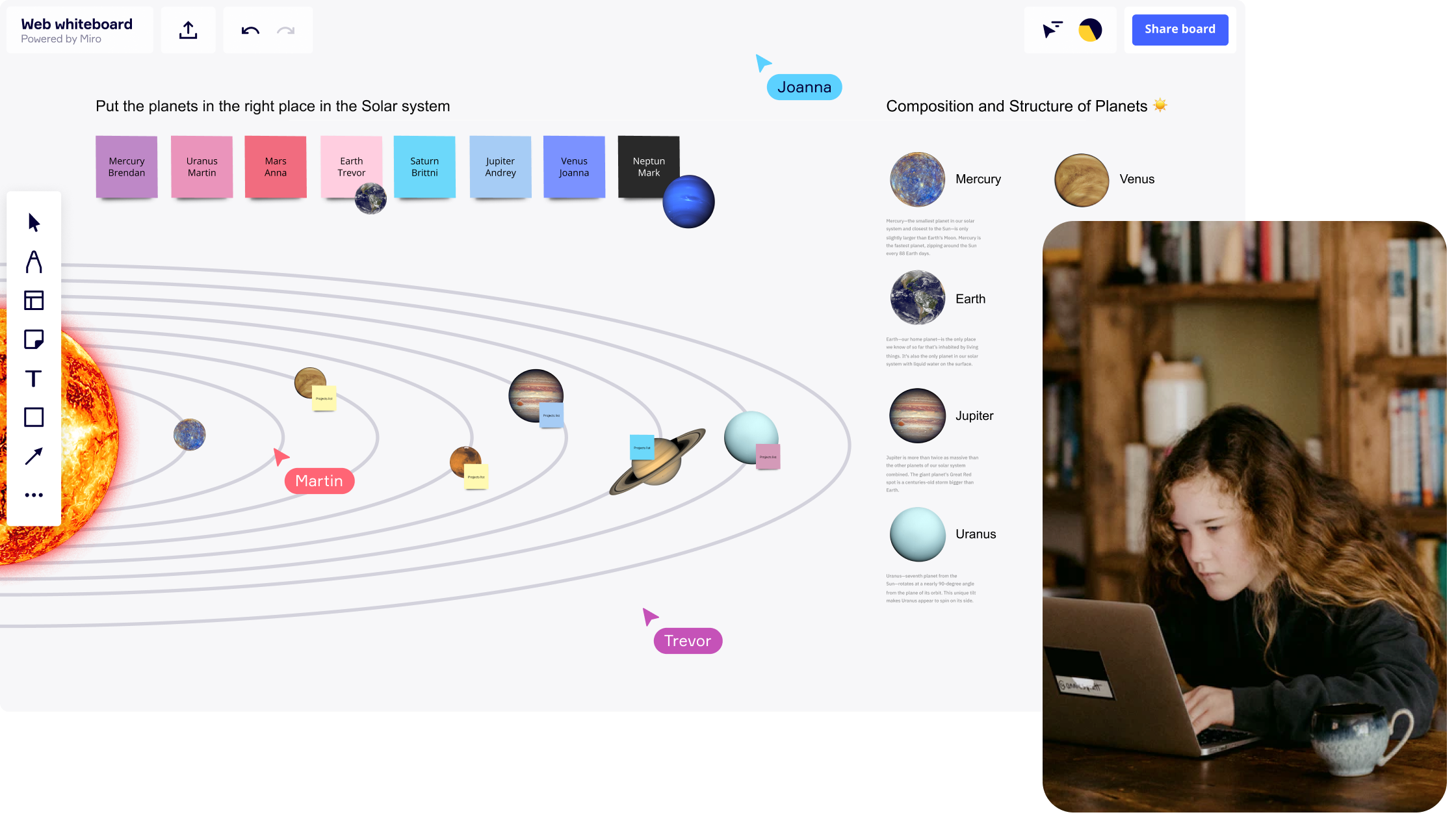
Tech elevates online tutoring. Shared whiteboards let duos solve problems live—gold for visual learners or those with LDs. Upload resources for seamless annotation, and record sessions for a personal review library. It's not gimmicky; it's game-changing autonomy.
Conclusion and Policy Recommendations
Wrapping up: Online math tutoring isn't a band-aid—it's a bridge to proficiency, backed by RCTs showing 0.20 SD gains and beyond. It scales, personalizes, and supports when it counts.
To act: Fund high-dosage one-on-one models for needy kids. Set strict standards for providers—vet tutors, focus on live sessions, and track data. Embed tutoring in school plans as core support. Prioritize consistent pairings for mentorship magic.
The data's in: Let's make online tutoring the norm and watch achievement gaps shrink. What's your take? Drop thoughts below—together, we can math the future brighter!


